
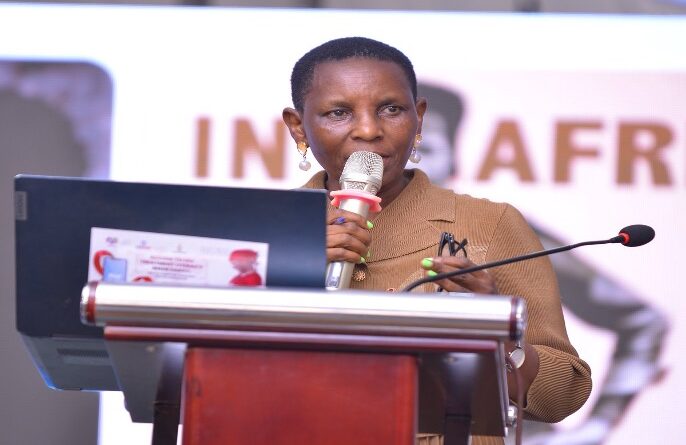
How HIV Stigma turned into a Life of Advocacy
By Patricia Nakayima
In 1994, Flavia Kyomukama discovered she was HIV-positive at a time when stigma was widespread, yet treatment options were extremely limited. At that time, HIV testing was rare, feared, and surrounded by silence. Support services were barely available, and the disease carried heavy layers of fear, myths and misunderstanding.
Flavia learned her status after being diagnosed with tuberculosis while pregnant. The months that followed were not short of confusion and rejection from friends. But her family provided the support she needed.
“When I told Dad I was positive, he simply said it was okay. He encouraged me to be strong and wait for scientific breakthroughs, just as had been the case with other diseases. Those words kept me going until 2003, when Anti-Retroviral drugs were introduced in Uganda,” she recalls.
That same year, in 1994, Flavia became one of the first beneficiaries of the global, groundbreaking the Prevention of Mother-to-Child Transmission (PMTCT) trials in Uganda. Treatment at the time involved a single dose during labour, followed by three months of antiretroviral medication for the baby. Mothers were strongly advised not to breastfeed.
She later took part in Uganda’s early antiretroviral therapy clinical trials (DART) in 2003, an era when positive living and behaviour change were the only real hopes for survival. Even as stigma slowly decreased, HIV was still viewed by many religious groups and communities as a curse or a death sentence. The introduction of ARVs marked a major turning point, offering many a renewed chance at life.
Uganda’s progress since then has been remarkable. According to the World Health Organization’s 2024 Report, the global HIV prevalence rate has fallen from over 18% in the 1990s to below 5% today. New infections and AIDS-related deaths have dropped sharply due to expanded treatment access, better prevention, and improved public awareness.
Currently,1.3 million Ugandans are receiving ART, and routine testing and prevention efforts have strengthened safe motherhood practices nationwide.
Despite living with HIV for three decades, Flavia says she has never transmitted the virus to anyone.
She attributes her long, healthy life to strict adherence to treatment, proper nutrition and rest. “I prayed to God for life, and I have lived a healthy one. When you eat well, rest enough and exercise, you can manage many of the drug side effects,” she adds.
Currently, Kyomukama serves as the Executive Director of the National Forum of People Living with HIV/AIDS Network Uganda (NAFOPHANU), an organization that provides hope, care and support to people living with HIV across the country. She believes that effective counselling, open communication and strong relationships are essential for people living with HIV, especially those facing complex health conditions. Her life proves that with the right support, early diagnosis and access to treatment, HIV is no longer a death sentence. One can live, thrive and continue caring for others.

Leave a Reply