
Political Patronage Pressures: Inside Women Leaders’ Fight Against Silencing
The Challenges: “For most of our women, accessing health centres is a challenge, and even receiving the quality of healthcare they need is a problem”.
By Culton Scovia Nakamya
Uganda’s general elections, conducted in January 2026, marked a significant shift in representation, with more women securing mainstream parliamentary seats.
145 positions are ringfenced for women through affirmative action, as women representatives for districts and cities, in line with Article 32 of the 1995 Constitution.
The newly elected legislators are expected to take their oaths in May 2026, as the 12th parliament formally begins its term.
Many of these leaders have expressed readiness to champion policies addressing issues affecting women in their communities, ranging from education gaps, maternal health, poor infrastructure, school dropouts and violence against women.
Mercy Lakisa, the Alebtong District Woman MP-elect, says healthcare access remains a pressing concern. She notes that many women struggle to reach health centres, and even when they do, the quality of services often falls short.
“For most of our women, accessing health centres is a challenge, and even receiving the quality of health care they need is a problem. Referral systems are weak, ambulances are lacking, and roads are poor, so you find most of them trapped in areas where they can’t access health care”, Lakisa explained.
As a medical doctor, Lakisa says her priority will be advocating for the elevation of local facilities to Health Centre IV or district hospital status to secure better funding, supplies, and staffing.
Political Patronage and Power Struggles in Parliament
Despite the optimism among new legislators, political patronage remains a looming obstacle. Critics argue that entrenched power dynamics within Parliament often undermine independent voices, particularly among women.
Winnie Kiiza, a former Leader of the Opposition, recalls facing similar pressures when she first entered Parliament in 2006 as the Kasese District Woman Representative.
According to Kiiza, some senior male legislators who had served multiple terms insisted she consult them before raising any matter on the parliamentary floor. A few experienced women MPs also joined in discouraging her assertiveness.
During her maiden speech, Kiiza questioned the government about fulfilling a presidential pledge to recognise the Rwenzururu Kingdom. She says she was challenged to provide proof and criticised for not consulting others beforehand.
Unbeknown to her critics, Kiiza had documentary evidence, which the Speaker allowed her to present.
“From that day, whenever I stood to speak, they knew that I was informed and prepared with evidence”, She said.
Political patronage is when political leaders undermine the independence of others. For Uganda’s parliament, analysts note that women MPs are patronised by their male counterparts to create dependency-based relationships.
This means that access and influence are only granted in exchange for political loyalty. Critics argue that although this helps women challenge institutional barriers like exclusion, it often leaves them silenced and unable to challenge the status quo. Such alliances affect performance and independent advocacy when they are cornered into dropping the issues they seek to raise on the floor of parliament.
Spellanza Baguma Muhenda shares a similar experience from her first parliamentary term beginning in 2016. She says senior male MPs frequently insisted on being consulted and routinely dismissed issues she wanted to raise.
Reflecting on her tenure, Spellanza believes the dynamic contributed to her loss in the 2021 elections. She later contested again in 2025, only to encounter resistance during party primaries.
“some people thought I should follow their commands. I should be dependent on them both in terms of strategy, campaign messaging and work. When I refused, I was cheated in the primaries”. She narrates.
After disputing the outcome of the National Resistance Movement primaries, she ran as an independent candidate in January’s general election and won the Kyenjojo District Woman MP seat.
Spellanza now emphasises that resilience and principled decision-making are essential for women leaders confronting patronage systems.
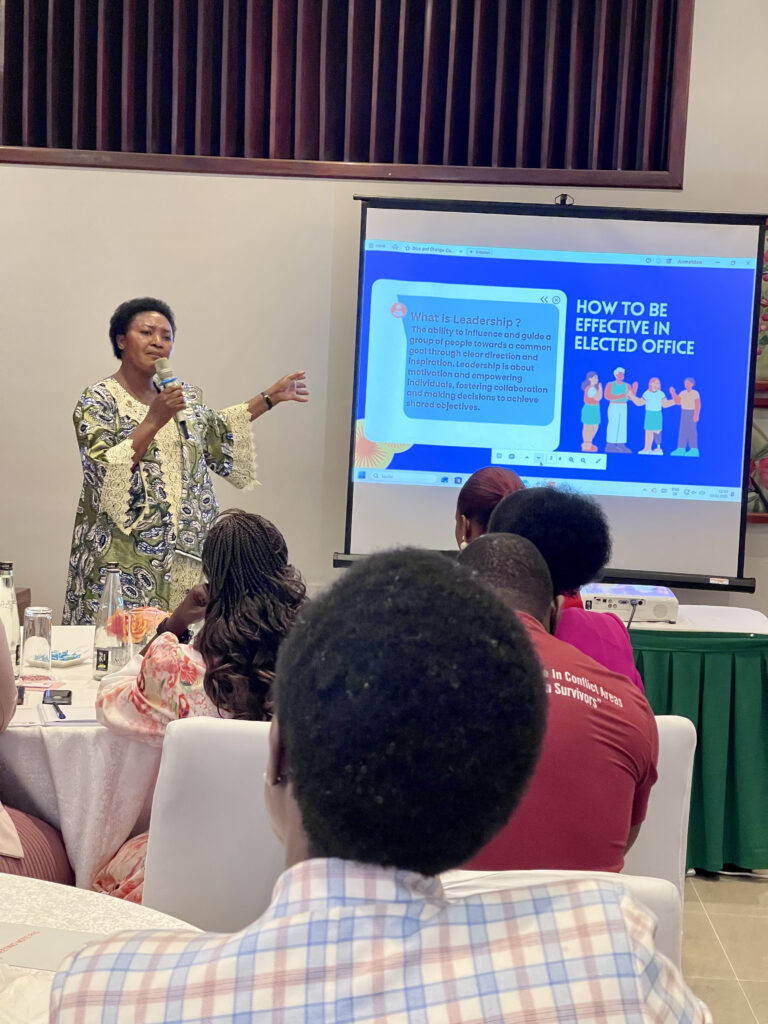
Through the Winnie Kiiza Foundation, Kiiza has launched mentorship initiatives aimed at equipping women leaders with tools to maintain independence and build strong public identities.
“Even if you are known for one issue, master it. When it comes up, have the authority and data to address it,” Kiiza advises.
She encourages legislators to specialise in key issues, thoroughly research before speaking, and frame local concerns within national conversations.
“Everything that is happening in Pece, Akokoro, has a relationship with what is happening in Kibuku, Ntungamo, and Rwenzori. Have you been able to liaise with the MPs of those areas to find out whether they have a similar issue you want to raise so that all of you can come up and talk about the same issue?” she tasked the leaders.
By doing this, Kiiza believes that women MPs won’t be patronised by those who assume seniority in the role.
Lenia Charity, MP-elect for Vura County in Arua District, says integrity is a critical defence against undue influence. She acknowledges that balancing party expectations, community demands, and national interests can put personal values under scrutiny.
“You have so many dynamics to deal with, and you notice that your integrity will always be questioned once you serve your people rightly”, said Lenia.
Meanwhile, Zahra Luyirika, who transitioned from Speaker of Kampala Capital City Authority to MP for Makindye West, says her local government experience has prepared her to navigate parliamentary politics with confidence.

Leave a Reply